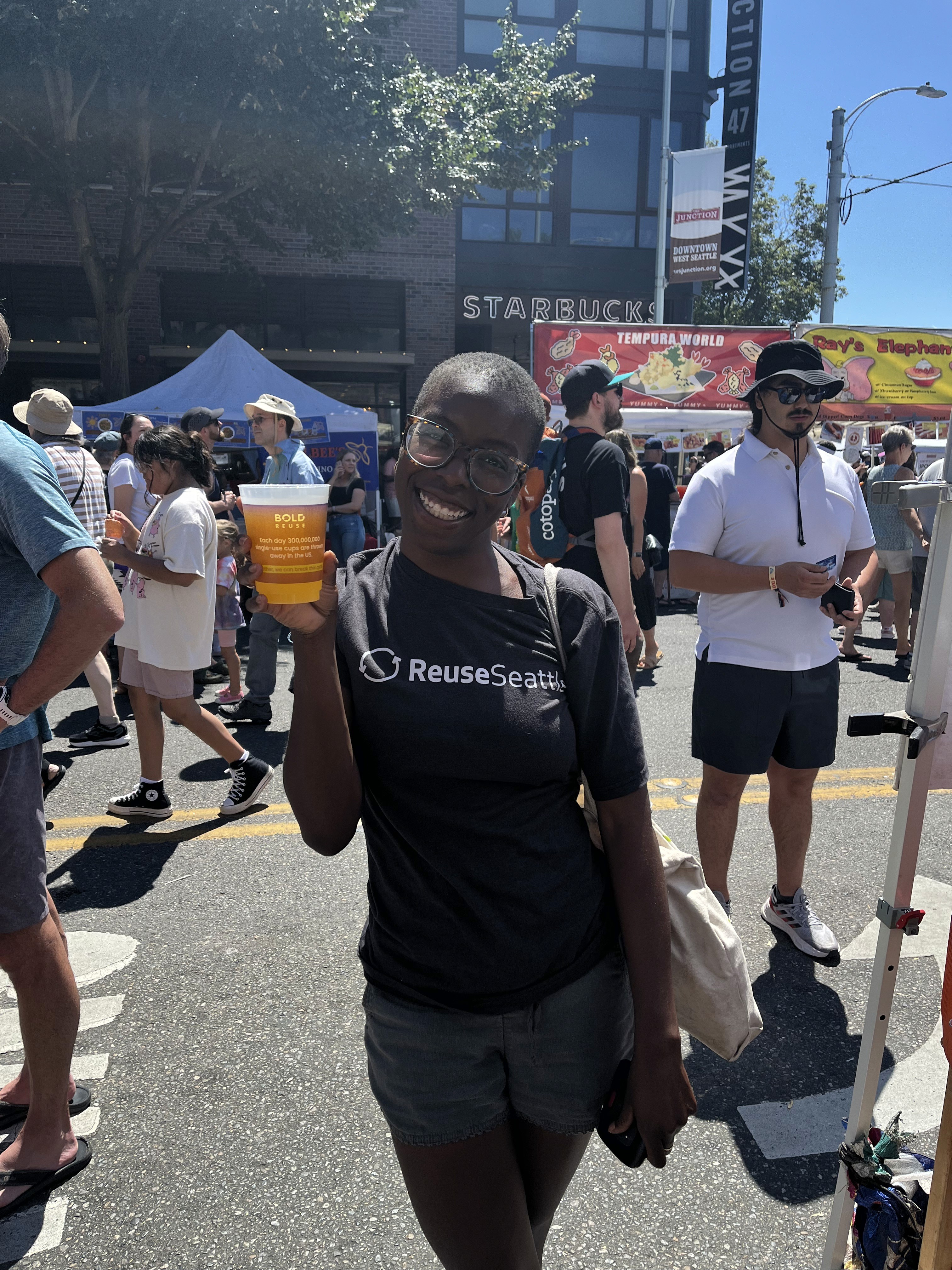
This summer, as Seattle welcomes visitors from around the world for FIFA World Cup 2026™ festivities, reusable cups, food containers, and utensils will be part of the experience at dozens of events across the region.
From fan celebrations and sporting events to concerts, theater performances, festivals, and community gatherings, Seattle's growing reuse network is helping reduce reliance on single-use items while creating cleaner, more efficient experiences for attendees.
The systems supporting these events are the result of years of collaboration and investment through Reuse Seattle, a regional effort to build relationships and develop infrastructure needed to make reuse practical, reliable, and accessible across the city and surrounding communities.
A Summer of Reuse Across Seattle
As excitement builds around FIFA World Cup 2026™, reusable serviceware is appearing at venues and events throughout the region, demonstrating how reuse can operate at scale across a wide range of event types.
Throughout the summer, Bold Reuse reusables will be featured at hundreds of events, including:
FIFA World Cup 2026™ fan celebrations and community events
Climate Pledge Arena, including Seattle Storm games and major concert tours
The Paramount Theatre
McCaw Hall
Showbox Market
Showbox SoDo
ZooTunes at Woodland Park Zoo
Seattle PrideFest
Derby Days
Obliteride
National Night Out celebrations
Community and neighborhood events throughout the Seattle region
Together, these events showcase how reusable systems can support high-volume operations while creating a more streamlined experience for attendees. A full list of events can be found here.
Years of Investment, Ready for the Global Stage
While FIFA World Cup 2026™ brings unprecedented international attention to Seattle, the region's reuse story has been years in the making.
Through partnerships across the public and private sectors, Seattle has steadily invested in supporting reusable systems at scale. Organizations throughout the region have worked together to expand adoption, strengthen operations, and make reuse a familiar part of the event experience.
Bold Reuse has been proud to play a key role in that growth. As one of the only wash hubs dedicated to reuse in Seattle, our team is helping build and operate the systems that allow venues and events to transition away from single-use cups, foodware, and utensils without sacrificing convenience or efficiency.
Today, that investment is visible across the region as more attendees encounter reusable items as a routine part of attending events.
Powering Reuse Across the Region
Bold Reuse serves as the operational partner behind many of the region's reusable serviceware programs, providing collection logistics, commercial washing, inventory management, and impact reporting.
Operating across six U.S. markets, Bold Reuse works with venues, teams, institutions, and municipalities to replace single-use foodware with reusable systems designed to work at scale. In Seattle, the company supports a growing network of partners that are helping make reuse a standard part of how events are delivered.
Seattle's progress has also been strengthened by collaborative efforts like Reuse Seattle, an initiative of Seattle Public Utilities, which has helped bring together stakeholders across the region to accelerate adoption and expand access to reuse infrastructure.
"We're seeing the benefits of years of collaboration and investment in reuse infrastructure," said Jocelyn Quarrell, CEO of Bold Reuse. "The growing network of venues and events participating in reuse shows what's possible when communities commit to practical solutions that reduce waste and improve the attendee experience. From neighborhood gatherings to World Cup fan celebrations, reuse is helping create cleaner, more efficient events today while building lasting infrastructure that will continue serving the region well into the future."
As the region prepares to welcome the world, Seattle's expanding reuse network offers a powerful example of what happens when communities invest in systems built to last. The result is cleaner events today, stronger operational infrastructure, and a foundation for continued growth long after the final match is played.